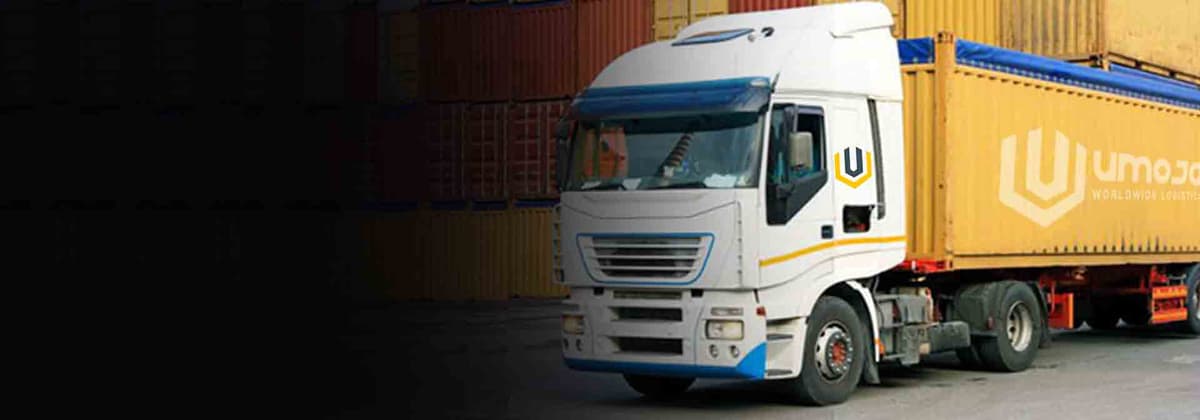
Two ways cargo leaves China
Most shipments from China to Rwanda travel by sea, landing at the port of Mombasa in Kenya or Dar es Salaam in Tanzania before continuing by road. Air freight is faster but costs more per kilogram, so it's typically reserved for urgent, high-value or lightweight cargo. Sea freight leaves from major Chinese ports including Shanghai, Ningbo, Shenzhen, Qingdao and Tianjin, and is the default choice for anything bulky or price-sensitive.
How long the sea route takes
Sea freight from Shanghai to Mombasa typically runs 22 to 25 days for full container load (FCL) shipments and 30 to 35 days for less-than-container load (LCL), though transit can stretch to 35 days depending on transshipment stops. Shipping to Dar es Salaam from major Chinese ports generally takes 20 to 30 days, sometimes up to 40 depending on route and carrier. Once the container clears the port, add several more days for road transport to Kigali — see our guides to the Mombasa route and the Dar es Salaam route for the road leg.
FCL or LCL from China
A full container is worth booking once your order fills roughly 60 to 70% of a 20-foot or 40-foot box — otherwise LCL, where your goods share space with other shippers' cargo, is usually cheaper for smaller volumes. LCL takes longer because the container waits to be consolidated and later deconsolidated at destination. Our guide to shipping a container from China walks through this decision in more detail.
Documents to line up before booking
Your Chinese supplier issues a commercial invoice and packing list once goods are ready. You'll also need a bill of lading (sea) or airway bill (air), and — for goods requiring it — a certificate of origin. These feed directly into the Import Declaration Form your freight forwarder or clearing agent lodges through Rwanda's Electronic Single Window ahead of arrival, so clearance can start before the truck even reaches the border.
What happens once cargo reaches Rwanda
From the port, cargo moves by road through either the Northern Corridor (via Mombasa) or Central Corridor (via Dar es Salaam) to the Rwandan border, where a licensed clearing agent completes the customs declaration, duty assessment and release. This is the same process that applies to any import regardless of origin — our full import and export guide covers it step by step, and our guide to import duties explains what you'll pay in tax.
Working with a sourcing agent vs going direct
Many first-time importers from China use a sourcing or buying agent to inspect goods, negotiate with factories and consolidate multiple orders into one shipment — useful if you're new to a supplier or ordering from several factories at once. If you're sourcing through a platform like Alibaba directly, our Alibaba-specific guide covers supplier vetting and payment protection.
A step-by-step look at how goods actually travel from a Chinese factory to a warehouse in Kigali, and what to prepare at each stage.